
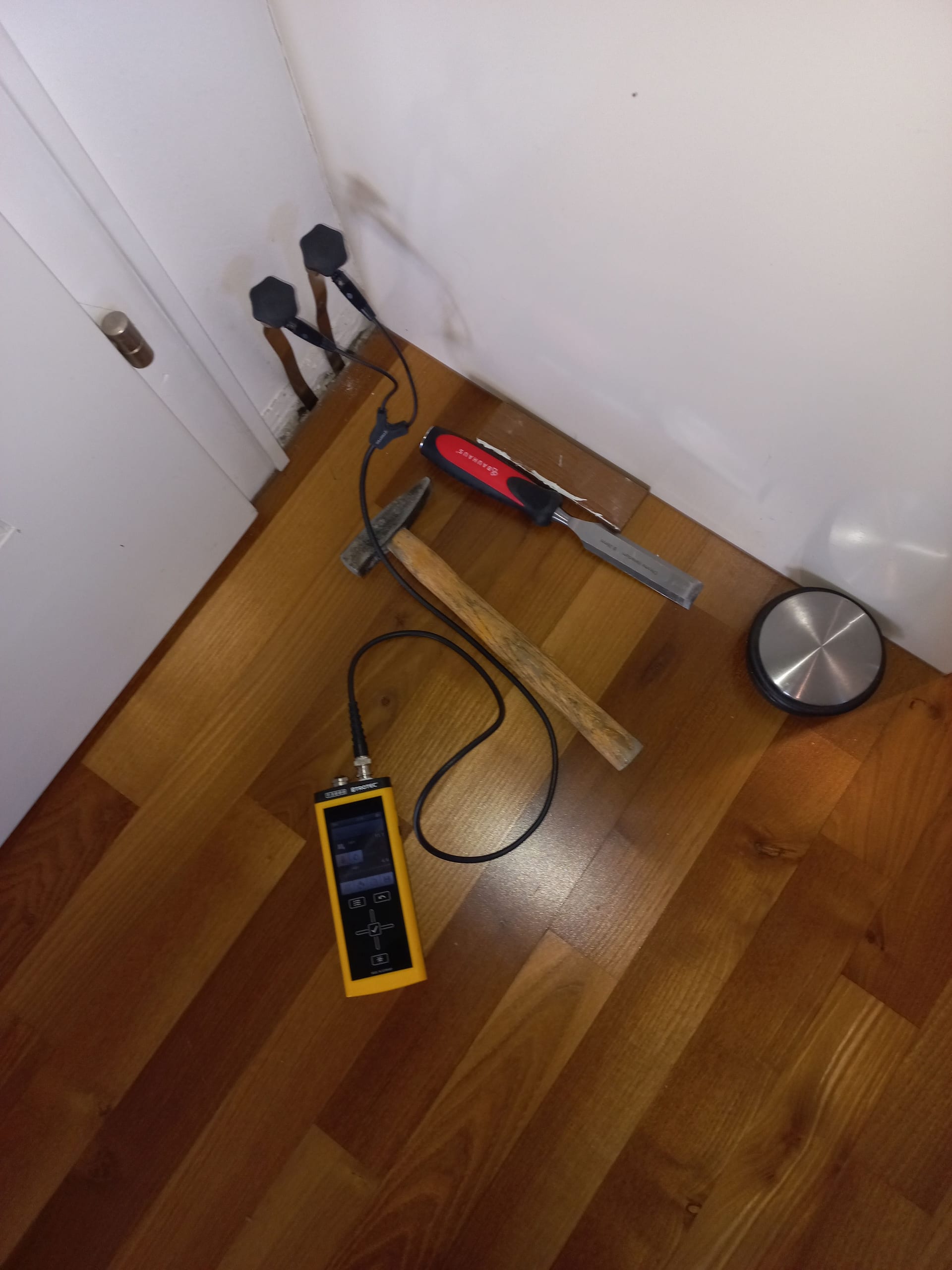
Dry air does not prove dry materials
Tucson’s outdoor conditions do not tell you how much moisture remains inside a wall, beneath flooring or behind cabinets. A dry surface can conceal wet layers. Ask the provider to explain its initial readings, the areas tested and the limits of the inspection. The drying plan should respond to the actual materials and water source.
Understand the equipment plan
Air movement and dehumidification may form part of a drying plan after safety and contamination assessment. Ask what each machine does, where it will sit, what power it needs and whether any affected rooms should remain closed off. Do not reposition equipment or open windows contrary to the provider’s instructions.
Agree on monitoring and charges
Ask how frequently readings will be recorded and who can explain the progress. Compare setup fees, daily equipment rates, monitoring visits and removal charges. A fixed number of days is not a guarantee of dryness. The drying and moisture guide explains useful evidence to request.
Separate drying from reconstruction
Removing equipment and restoring finishes are different decisions. Ask for completion criteria and written notes before new drywall, paint or flooring covers the affected assembly. If persistent odor or visible growth is present, discuss mold assessment and remediation before treating appearance alone.
Tucson context and official guidance
For weather and street-access considerations, use the Tucson property guide. A city name does not establish service availability. In a monsoon situation, review what to record about outdoor water entry.
Official resources
Resources support general guidance. They do not establish provider availability or endorsement.