
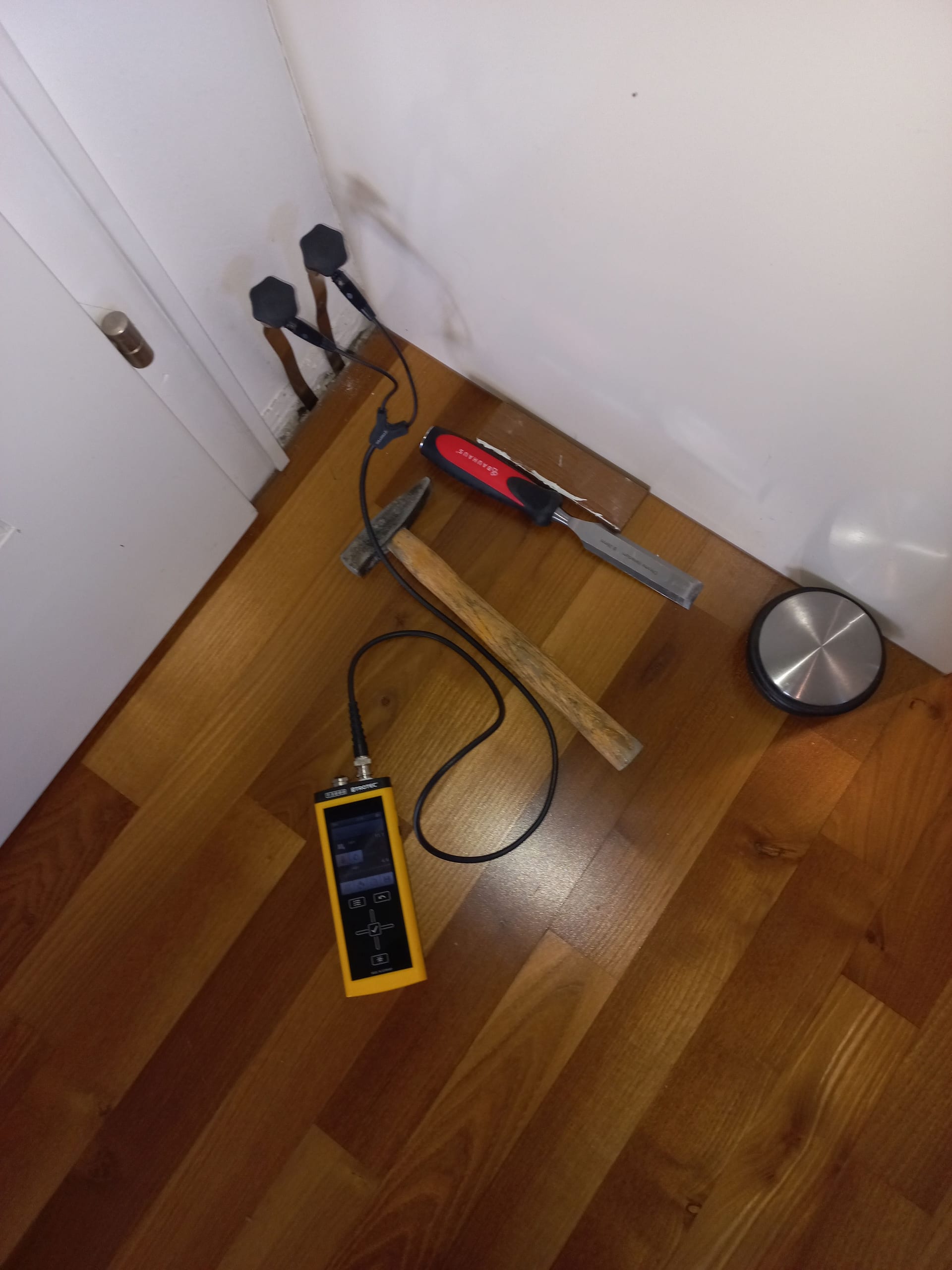
The outside air is not a moisture test
A wall contains layers, joints and sometimes insulation that can retain water after a surface looks dry. Sun, low outdoor humidity or a warm room do not establish the condition of those concealed materials. An assessment should explain what has actually been measured.
Ask about the path and duration
A brief, contained spill and an unnoticed plumbing leak can affect different layers. Describe the source and discovery time without guessing how long materials were wet. Ask how the assessor determines the affected boundary and what cannot be checked without opening the assembly.
Discuss a controlled drying plan
Equipment, room conditions and monitoring should respond to the actual damage and contamination assessment. Do not simply aim fans at suspected mold or sewage. Our structural drying page explains the service questions; the moisture guide explains records to request.
Wait for evidence before repainting
A new finish can hide a symptom without resolving it. Ask for the drying findings, source-repair status and any remaining material concerns before reconstruction. Persistent growth or odor deserves a separate mold discussion, not a conclusion based on climate alone.
Connect the guidance to the service
Review structural drying before discussing the assessment. Confirm the business, address availability, charges and written scope directly.
Official resources
Resources support general guidance. They do not establish provider availability or endorsement.